불타는 도시 앞에서 환호하는 훌리건 군중
Opinion

The Age of Conflict: Humanity at the Spectators’ Stand

As U.S. military strikes on Iran mark the opening of yet another front in an increasingly fractured world, PolyView turns the lens not on the battlefield, but on the audience watching it. Why do the same voices that rallied for Ukraine fall quiet when it comes to Iran? Why do we consume war like content, assessing it as though it were a match? And what does it mean that we weigh the suffering of children differently depending on which country they were born in? This piece does not ask us to stop having opinions. It asks us to examine where those opinions actually come from

[…]

편리함의 이면에 가려진 인간을 강조하기 위해서 어두운 새벽의 배송 근로자와 새벽에 동이트는 고층 아파트의 모습을 대칭적으로 보여주는 일러스트
Issues

Who Really Benefits from Midnight Delivery?

Midnight delivery has become a lifeline for many in Korea, but at what cost? This article examines both sides of the controversy—consumer convenience versus delivery workers’ health and lives—and asks whether true progress lies in addressing root social issues.

[…]

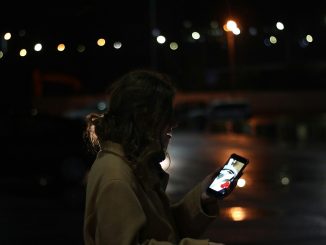
Close-up of woman holding phone in blurred urban background
Issues

Has Social Media Really Connected Us?

When Al Gore coined “Information Superhighway” in the 1990s, few predicted where it would lead. Social media promised global connection—and delivered a paradox instead. We live in the most connected age in history, yet we’ve never been so isolated. This essay explores how platforms like Instagram, TikTok, and Facebook transformed us from passive consumers into “prosumers,” creating a booming creator economy. But algorithms designed to capture our attention have left us scrolling for hours, photographing moments we don’t experience, and comparing ourselves to curated perfection that corrodes self-esteem. The platforms aren’t inherently good or evil—they’re tools that reflect human desire. Whether they represent progress or decline depends on how we choose to use them. Free will remains. The question is whether we exercise it.

[…]