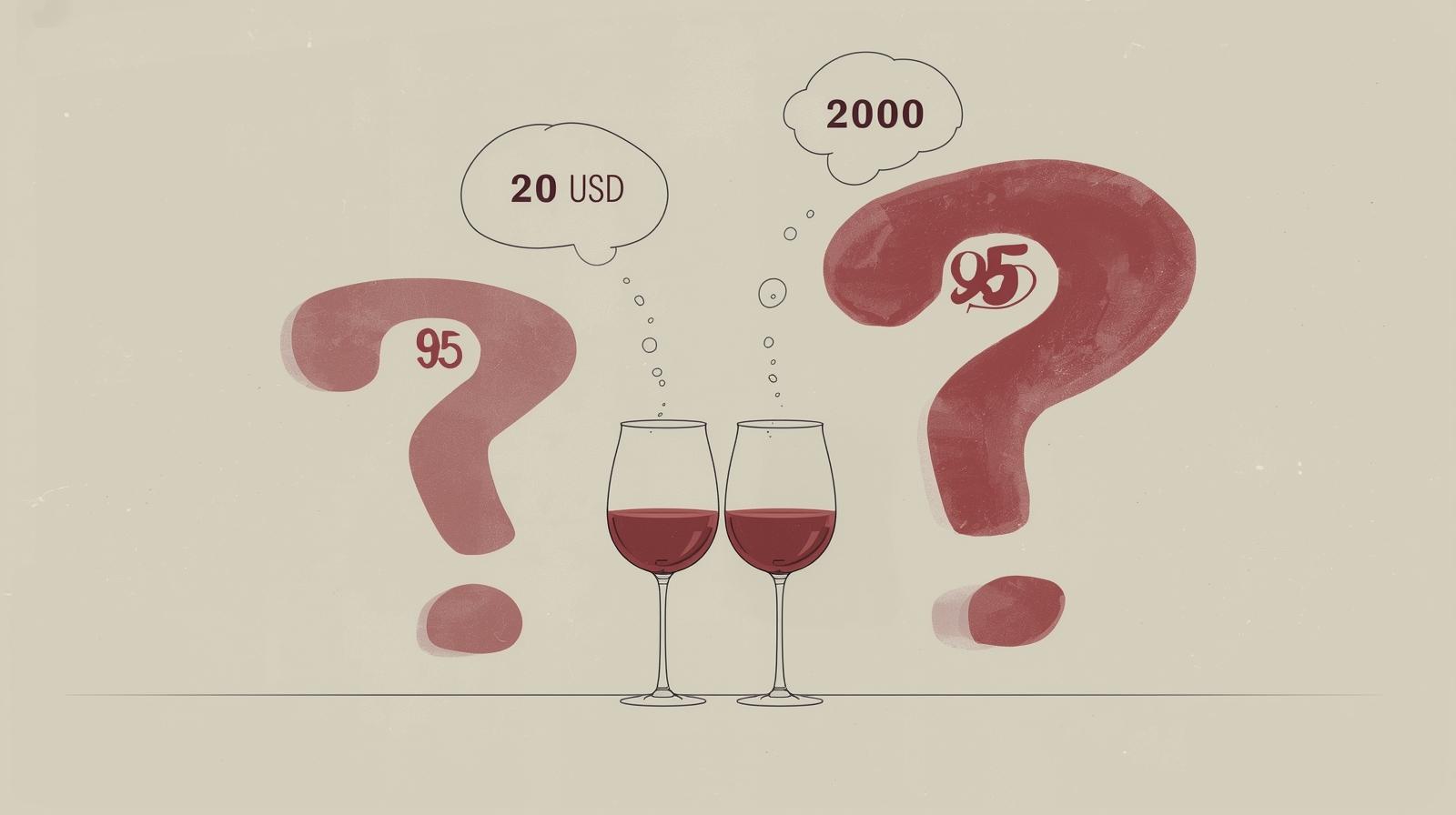
In the world of wine criticism, numbers reign supreme—until two bottles with wildly different prices receive identical scores. The practical question seems obvious: buy the cheaper wine. But beneath this rationality lies a deeper philosophical puzzle about perception and value. When expectations shape taste, equal scores hide profoundly unequal experiences. Are we drinking the wine itself, or the story we tell about it? This essay explores how cognitive bias, narrative value, and the tyranny of expectation reveal wine scoring as less about objective truth and more about the existential choices we make.
[…]