
When Al Gore coined the phrase “Information Superhighway” in the early 1990s, few could have predicted where that highway would actually lead us.
The internet was heralded as a revolutionary force for democratizing knowledge. In countries like South Korea—emerging from decades of military rule—citizens embraced it as a tool for transparency and free communication. Today, South Korea has become one of the world’s most connected nations, with some of the highest social media usage per capita globally.
From email and bulletin boards through Facebook (2004) and Twitter (2006) to Instagram (2010) and TikTok (2016), social media platforms have promised a globally connected future. By 2008, Gartner was calling it a “hyperconnected society.” Today, with just a smartphone, anyone can reach anyone, anywhere, anytime.
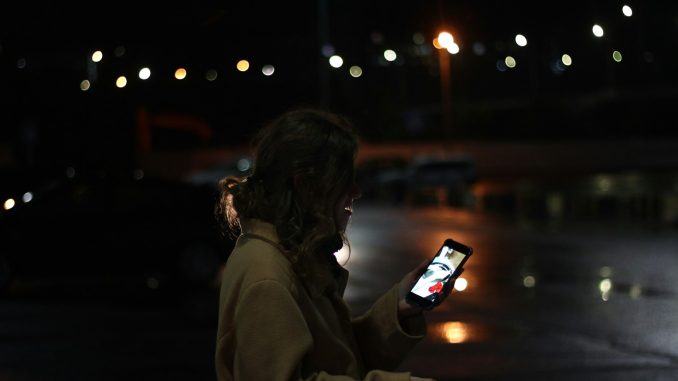
Last week, I watched a couple on a date, both scrolling through their phones in silence. When their food arrived, they photographed it, posted, then checked for likes before taking a bite. They were together but utterly alone—a perfect microcosm of our hyperconnected age.
This hyperconnection carries its own paradox.
The Promise
Social media transformed passive audiences into “prosumers”—active participants who both consume and create content. Through YouTube, Instagram, and countless online communities, ordinary people have become influencers, and conversations that once ended at the local café now span continents. An entire creator economy has emerged, with no credentials required beyond the ability to capture attention. It’s no wonder “content creator” ranks among the most coveted careers for teenagers worldwide.
These platforms have redefined relationships. Friends reconnect across the globe, families share daily life despite distance, and strangers bond over shared interests. Formalities fade; we can present ourselves—or our chosen version of ourselves—anywhere, anytime.
The Cost
Yet the platform that enables creativity is also a device designed to capture attention. Algorithms feed us content engineered to keep us scrolling, hooked on the dopamine rush of ‘likes’ and comments. Studies show many users spend over two hours daily on social apps, reporting anxiety the moment they set their phones aside.
The more “friends” we accumulate online, the harder genuine connection becomes offline. We photograph meals before tasting them. Couples sit together while scrolling apart. At concerts today, thousands hold up phones to record moments they’re not actually experiencing. A friend recently told me she watched an entire festival through her screen, only to never watch the footage again. She has documentation of a memory she never made.
Even in front of beautiful scenery, we’re too busy framing the shot to experience the moment or share it with those beside us. What should foster intimacy instead creates distance.
Meanwhile, curated perfection becomes the standard. When fitness influencer Essena O’Neill quit Instagram in 2015, she revealed the truth behind her “perfect” posts: hundreds of takes for each photo, starving herself before beach shots, crippling anxiety masked by smiles. Her confession went viral—yet the culture of comparison only intensified. Appearances are photoshopped, lifestyles exaggerated, success carefully packaged. Many grow disillusioned with their online personas, yet keep seeking answers on the very platforms that fuel their doubt.
A Question of Choice
The platforms themselves are neither good nor evil—they’re tools that reflect human desire and vulnerability. Alfred Nobel invented dynamite to build roads, not wage war. Social media was developed to connect us, amplify marginalized voices, and bridge distance. But as with any technology, its impact depends on how we use it.
We live in the most connected age in human history, yet we’ve never been so isolated. Whether this represents progress or decline isn’t predetermined. It depends on how we—collectively and individually—choose to integrate these technologies into our lives.
Free will remains. The question is whether we exercise it.
Over to You
When did you last look a friend in the eyes during a long, meandering conversation? How often do you check your phone without purpose? When did you last take a walk, read a book, or sit alone with your thoughts?
Share your reflections at lila@polyview.online Selected responses will be published in our opinion pages.
